This article highlights the benefits of digitalization in industry, distinguishes digitalization from the digital substation, and explains why a risk assessment of the operational network should be the starting point.
Benefits of digitalization
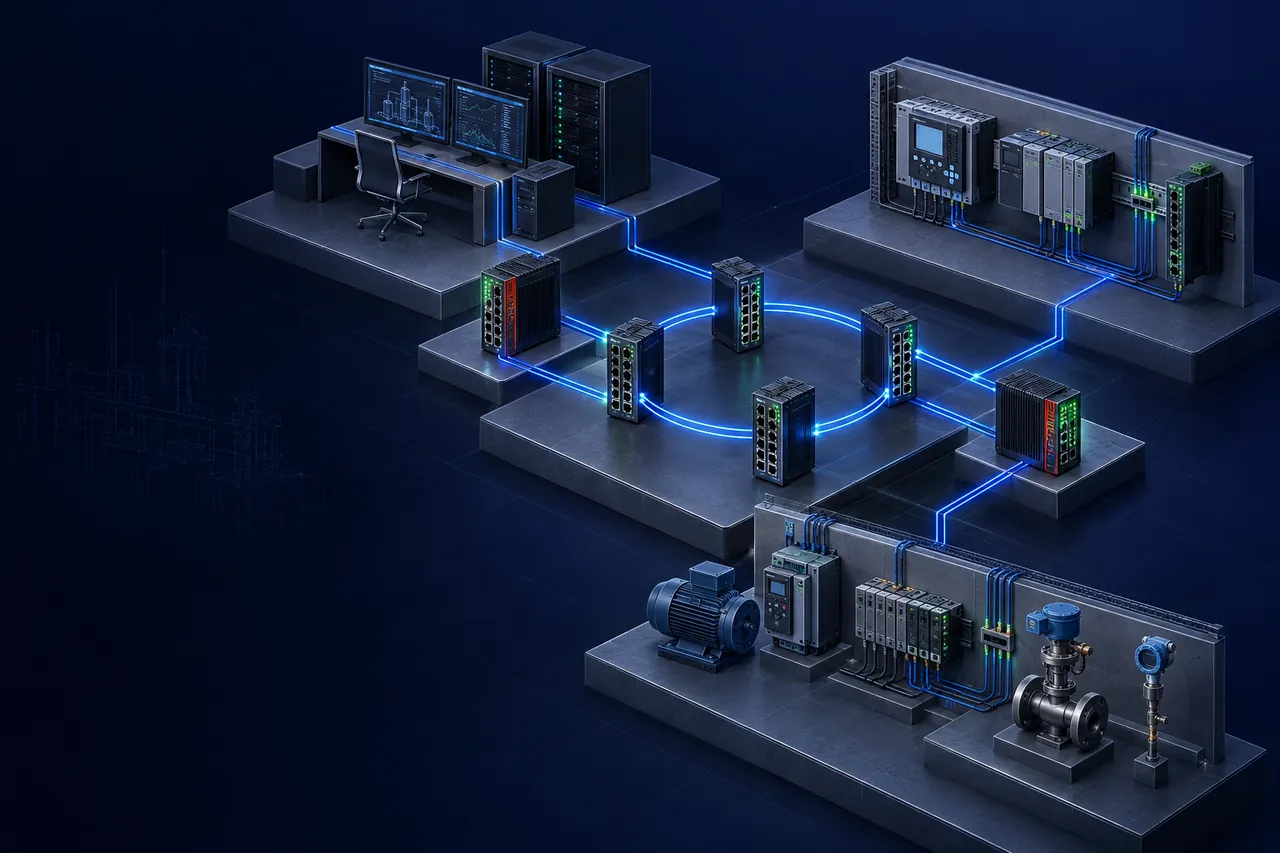
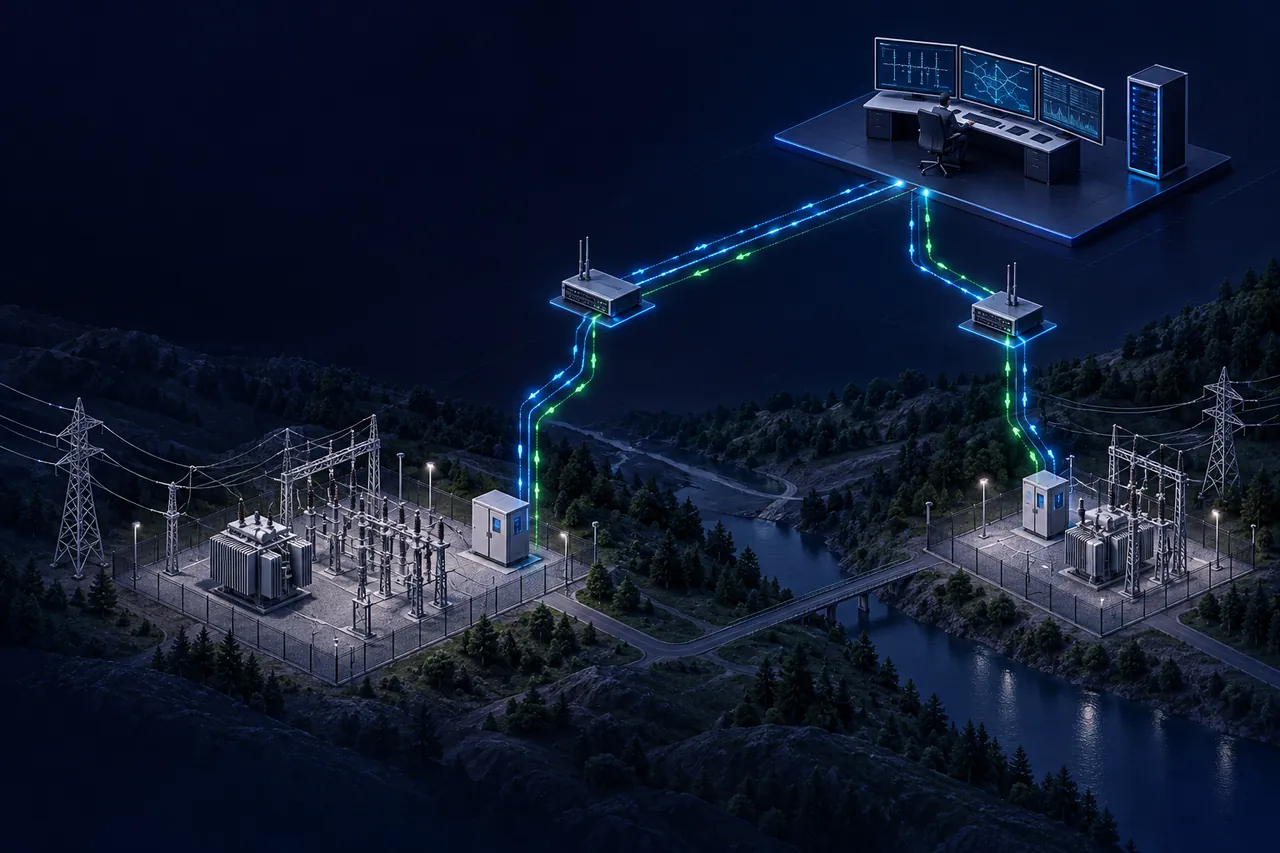
Industrial digitalization connects processes through IoT, with simple field-oriented interfaces, real-time information for faster decisions, and convergence between plant operations and management.
The Industrial Internet of Things (IIoT) promises to be the biggest driver of productivity and innovation in the coming decade in manufacturing, energy, and food.
Key fact
The cybersecurity risk assessment should be part of the strategic planning of an industrial digitalization project.
Digitalization and the digital substation
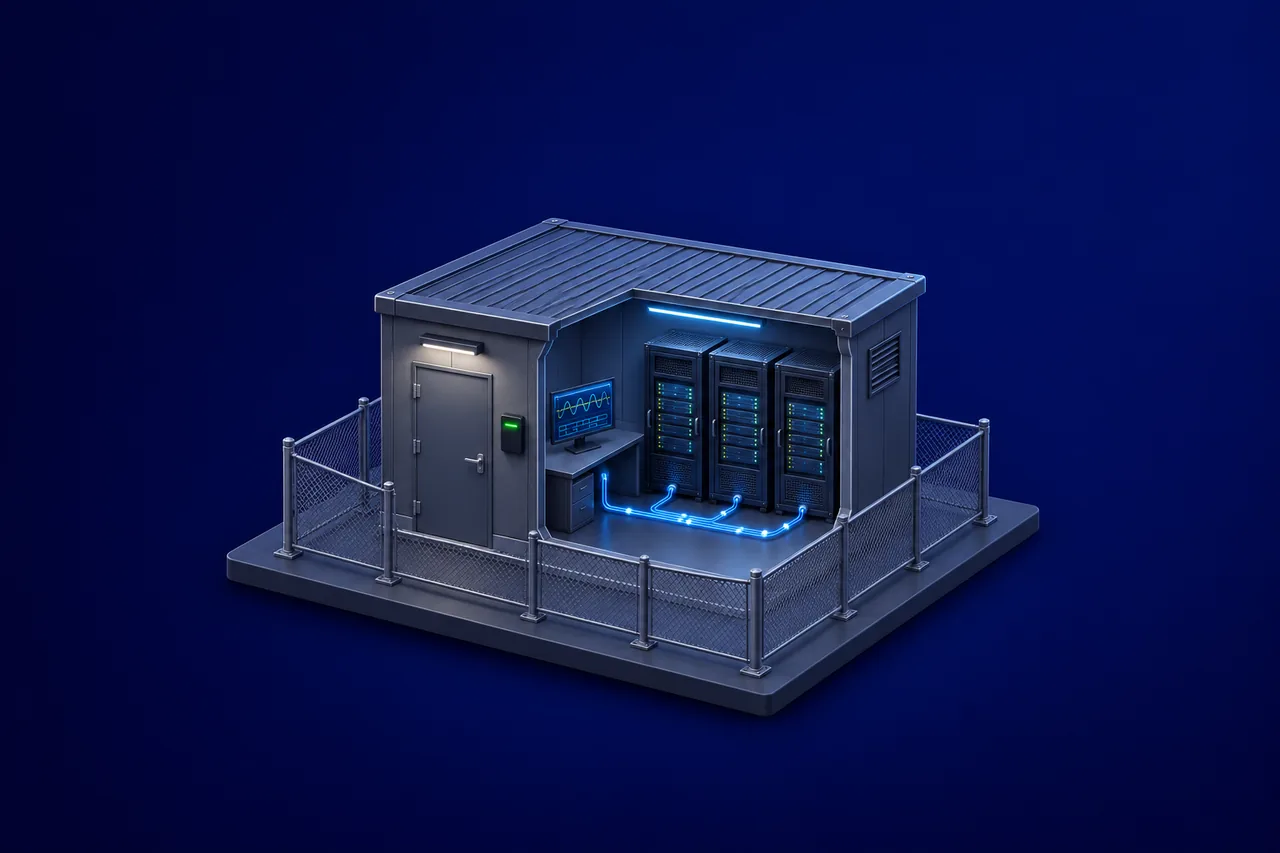
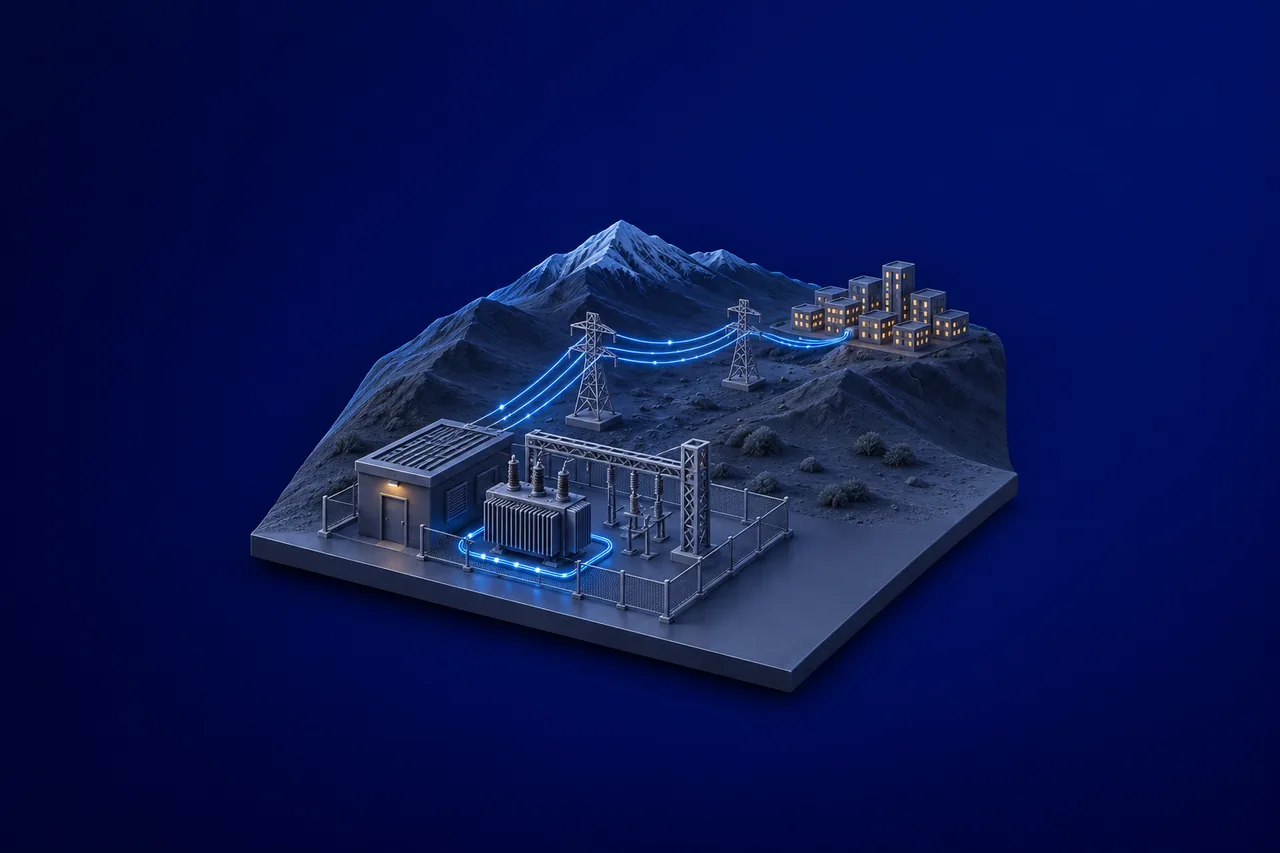
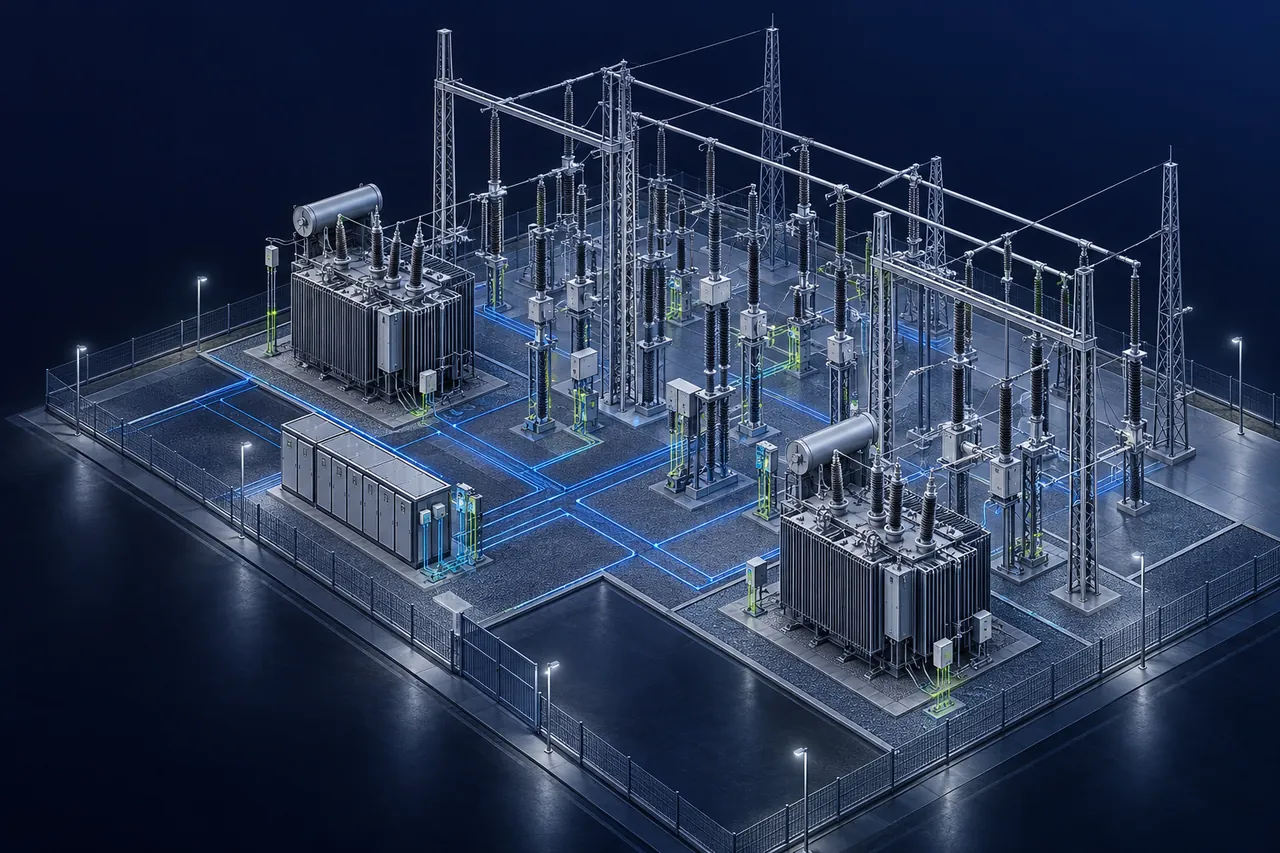
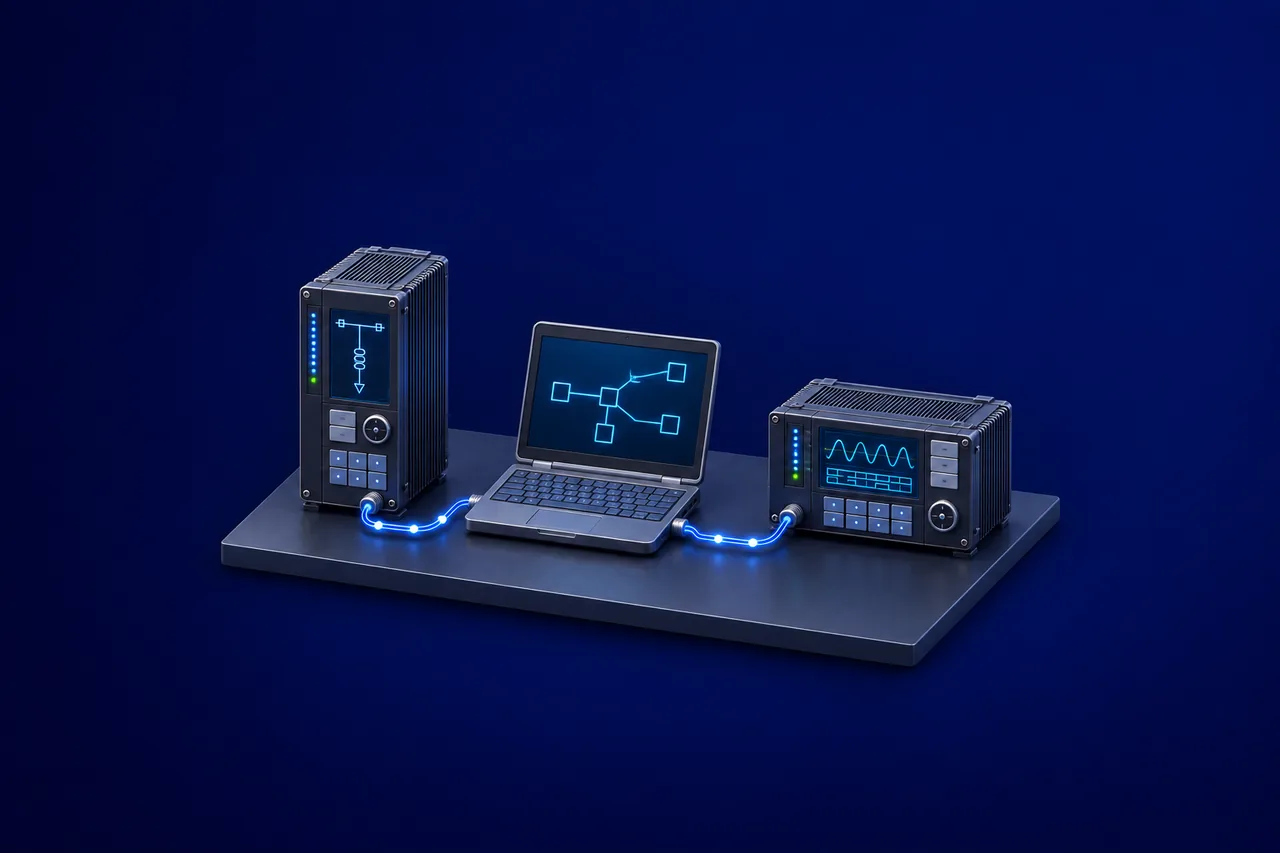
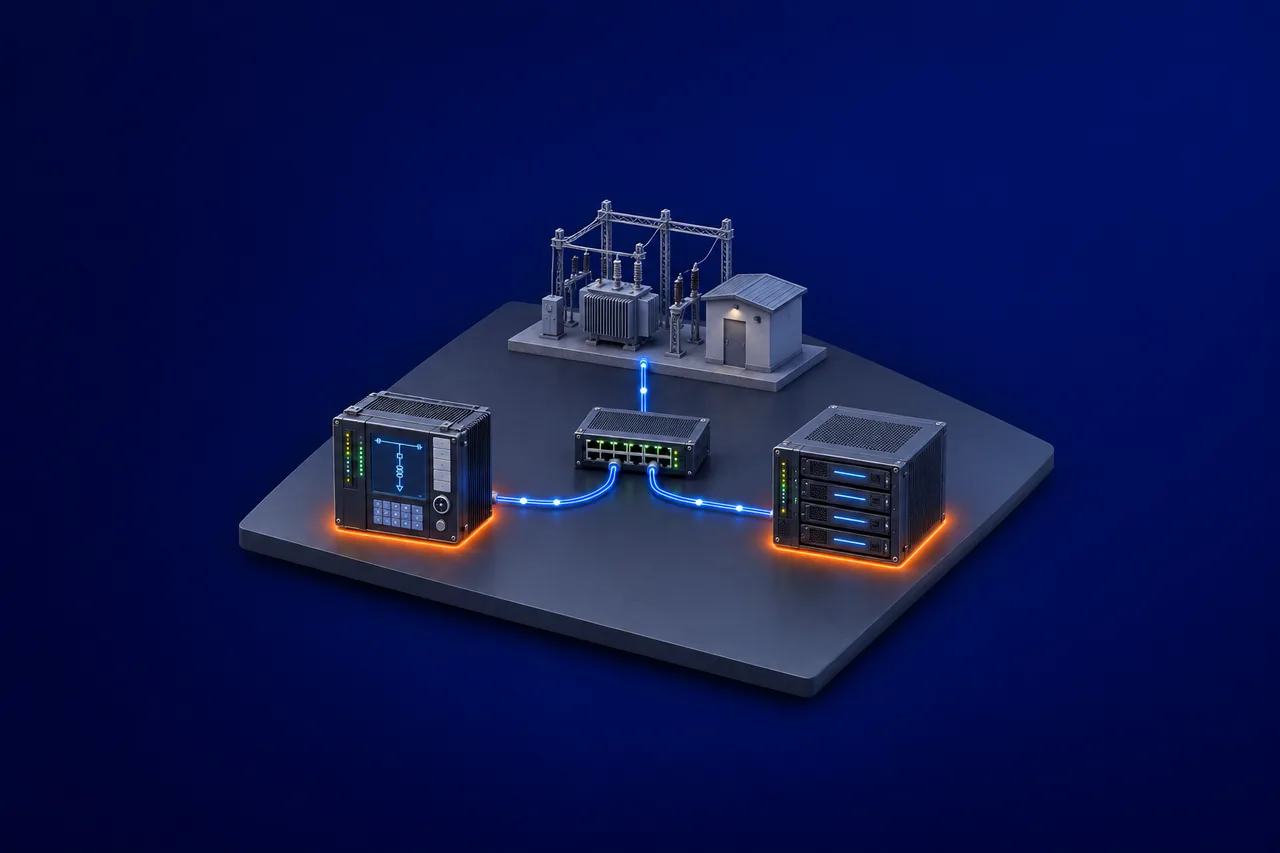
The digital substation is a specific application within digitalization: electrical installations operated and controlled with IEDs on high-speed, high-precision Ethernet networks based on IEC 61850.
Industry 4.0 means changing internal processes: how systems are operated and maintained.
Stages of digitalization
- Pre-executionTraining of the workforce and selection of the digital strategy: technologies, implementation, and objectives.
- ExecutionImplementation of the chosen technologies.
- Evaluation and continuous improvementMeasuring results and making adjustments.
What is a risk assessment in an operational network?
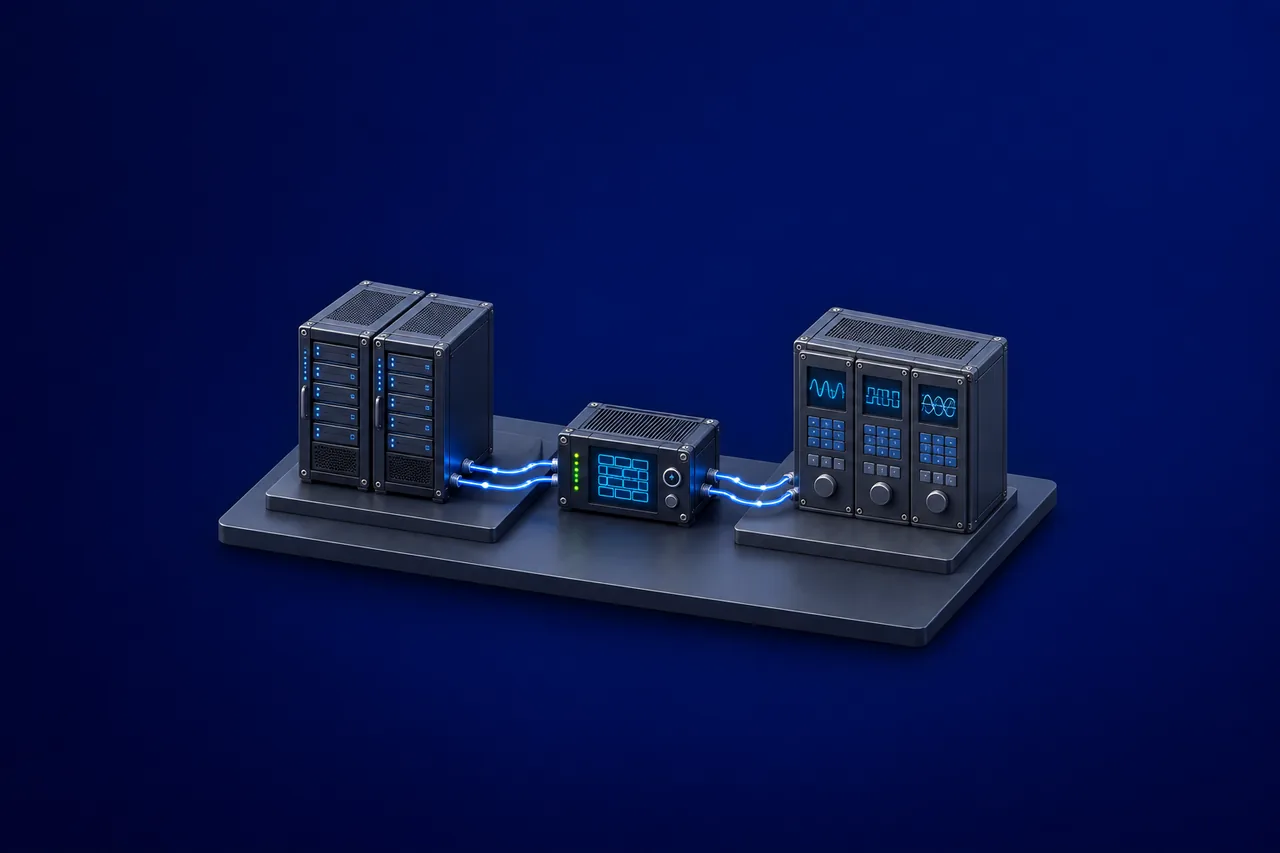
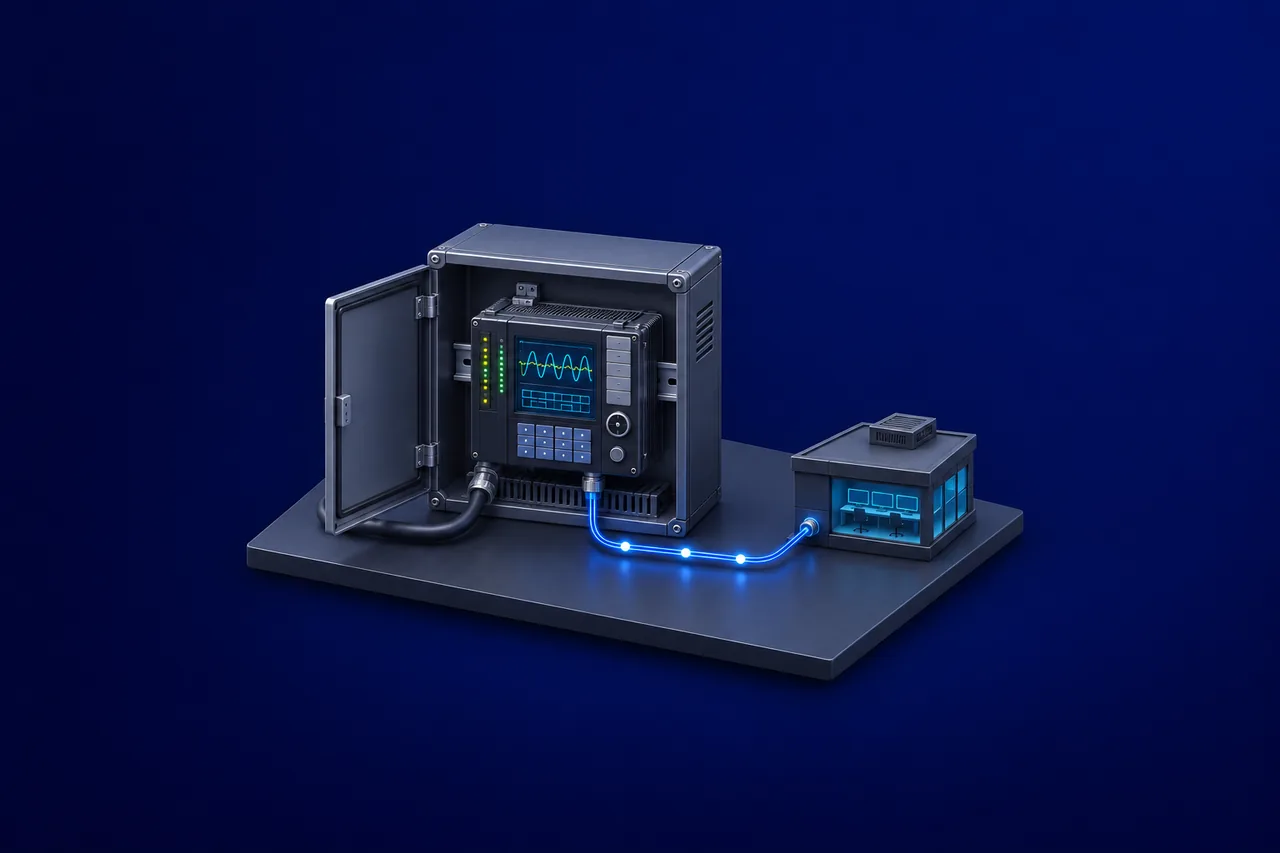
It is the study that precedes a digitalization project and shows the current state of the system, its capacity, and its risks, and it provides the information needed to define the technology to implement.
Risk assessment as a process
- SurveyAsset inventory, condition check, network capacity, and architecture.
- AnalysisIdentification of vulnerabilities and threats.
- EvaluationRisk calculation and management.