Saltar al contenido principal
Axon Group
Digital substations

Automatic fault record collection: challenges and opportunities

How can Industry 4.0 concepts such as digitalization, Big Data, and artificial intelligence be put into practice in fault analysis of power systems?

Digital substations Axon Group blog

How can Industry 4.0 concepts such as digitalization, Big Data, and artificial intelligence be put into practice in fault analysis of power systems?

190Protection relays in the implementation
2.5 MbpsBandwidth during a fault
30–45 sTransmission time (standard: < 1 min)

What is an automatic protection collection (RAP) system?

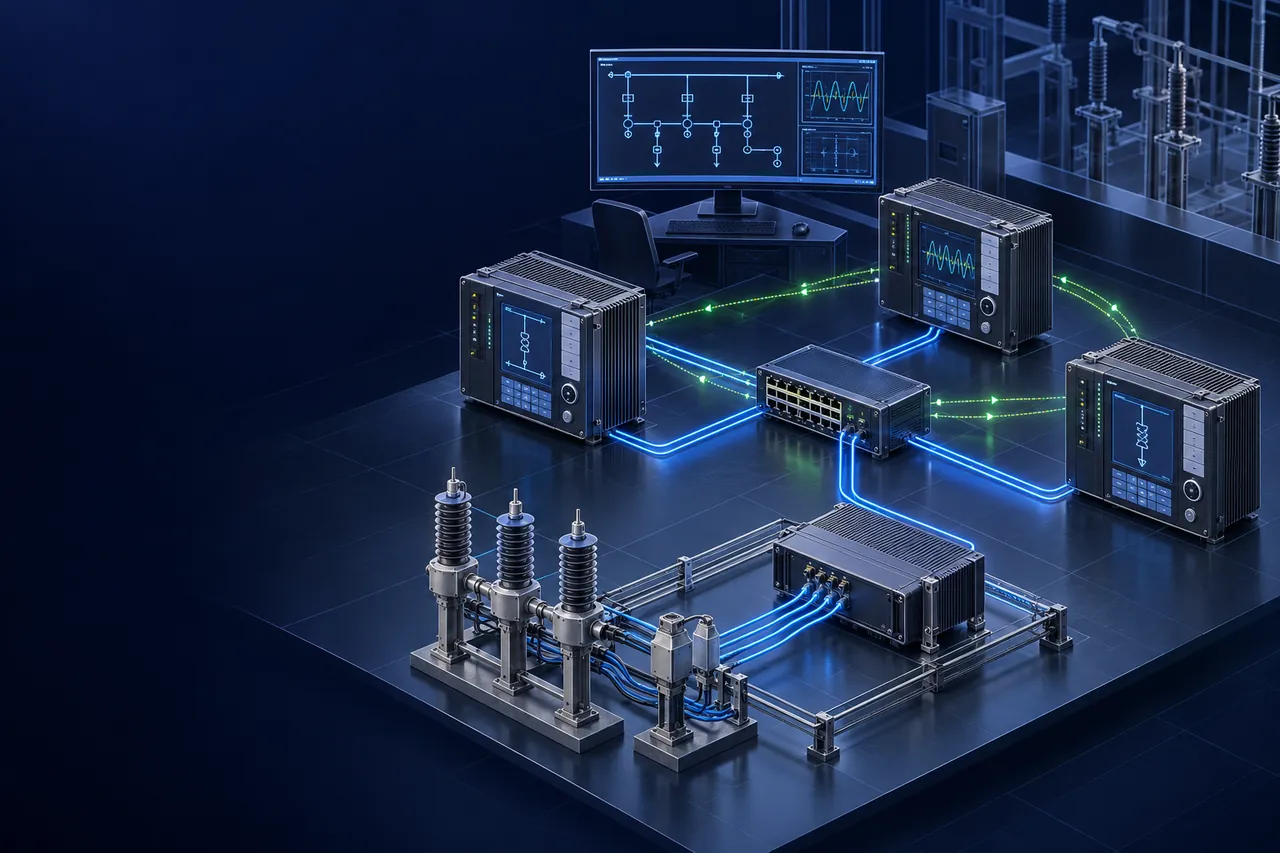
An automatic protection collection system (RAP, from its Spanish acronym) collects, stores, and transmits to decision centers the information from the protection relays of the interconnected power system.

  1. CollectionCOMTRADE fault records, SOE events, settings, and reports from the protection relays.
  2. StorageConsolidated and structured in coordinator stations.
  3. TransmissionOver a hierarchical infrastructure.
  4. ProcessingData analysis and decision making.

Key fact

Chile was a pioneer in implementing a regulation that requires a RAP system from its coordinated companies.

Expected benefits

  • Lower costs and response times when solving problems
  • Fast and reliable verification of protection coordination and fault analysis
  • Useful information for planning expansion and designing regulation

Main challenges

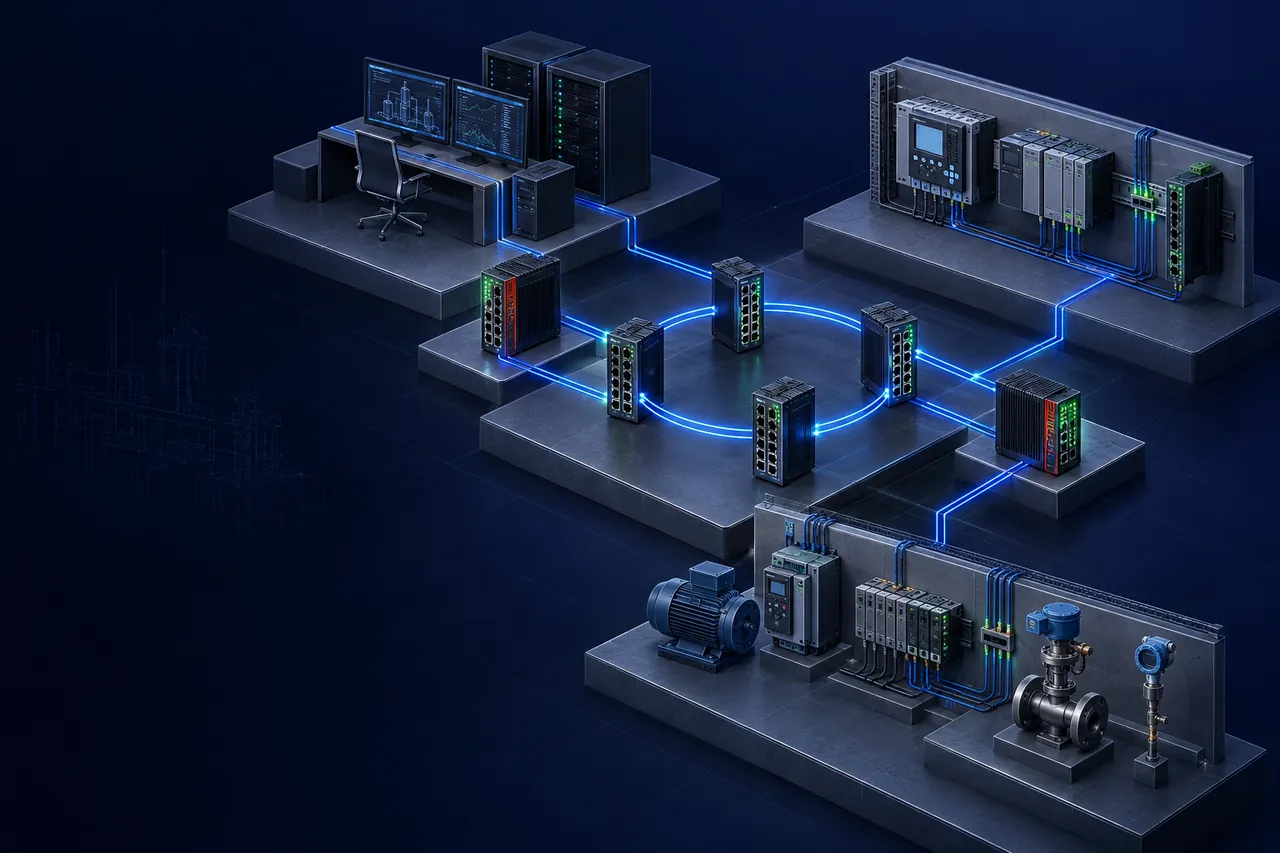
  • Heterogeneous devices, with deviations specific to each manufacturer
  • Communication infrastructure shared with control: risk of overload
  • Information security: insecure protocols such as MMS
  • Limited memory in the devices: files are deleted and traceability is lost
Flow of an automatic protection collection system with AG Comtrade: protection relays, collection, processing, output, and analysis at the decision centerAG COMTRADEProtectionrelaysCOMTRADE,SOE, settingsand reportsCollectionMMS FT, FTP,TFTP, IEC 103,Modbus, SELProcessingsorts,decompressesand versionsOutputFTPS and RSYNCAnalysisdecisionsfaults andcoordinationFlow of an automatic protection collection system with AG Comtrade: protection relays, collection, processing, output, and analysis at the decision centerAG COMTRADEProtectionrelaysCOMTRADE, SOE, settings, and reportsCollectionMMS FT, FTP, TFTP, IEC 103, Modbus, SELProcessingsorts, decompresses, and versionsOutputFTPS and RSYNCAnalysisdecisionsfaults and coordination
Figure 1. Flow of a RAP system with AG Comtrade: from the relays to the analysis.
  • Fault records

The solution: AG Comtrade

A client/server architecture with three modules: collection, processing, and output. It supports IEC 61850 MMS file transfer, FTP, TFTP, IEC 60870-5-103, Modbus, and SEL.

Processing structures and renames the files, decompresses them, and versions them so they are not lost to overwriting; the output shares them over FTPS and RSYNC.
Article written by

Iván Darío Claros, PhD

R&D Manager · Axon Group

View more articles
Related product

Put it into practice with AG

See the technical glossary ›

AG Empowering

Want to train on this topic?

Explore the AG Empowering programs and bootcamps and keep learning with our team of specialists.

Go to AG Empowering

Questions about our training?

Get in touch and we will help you find the right program for your team.