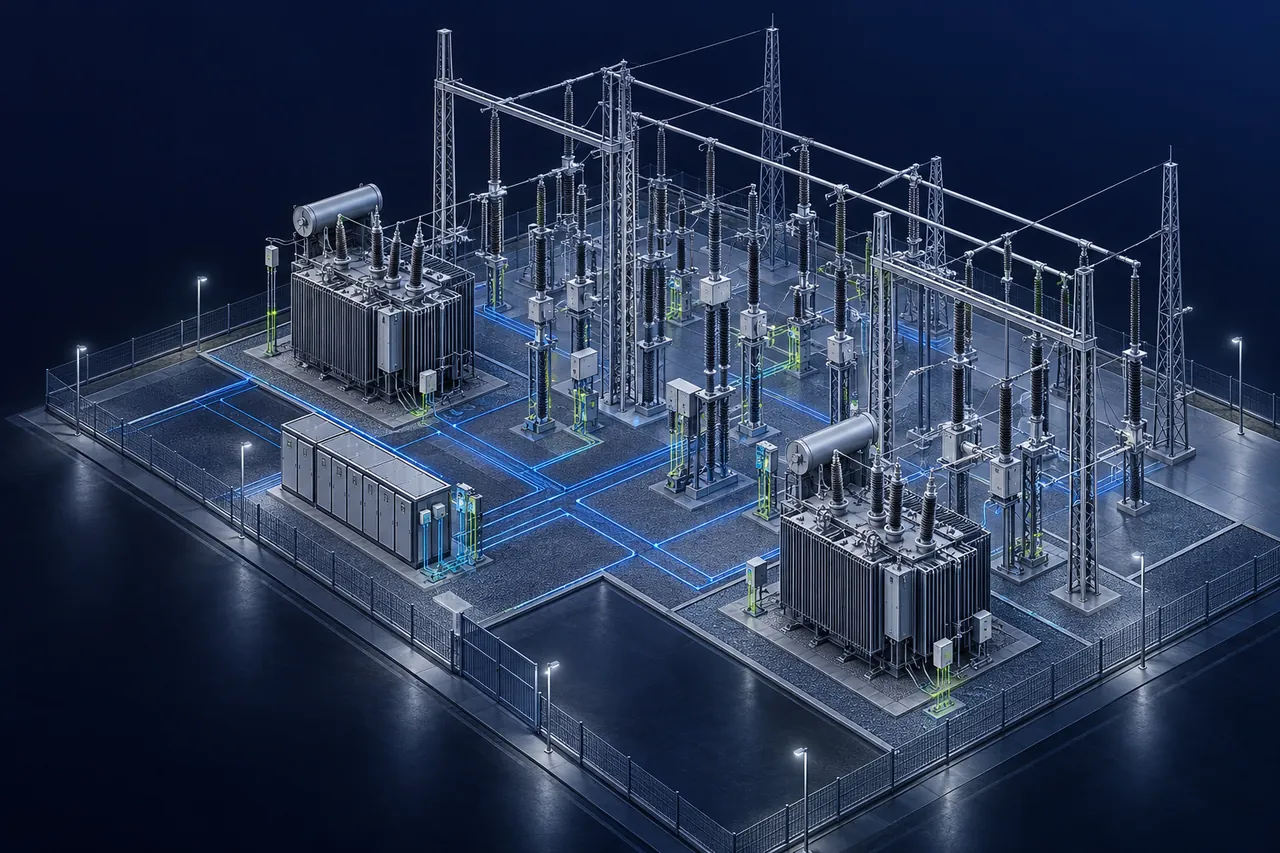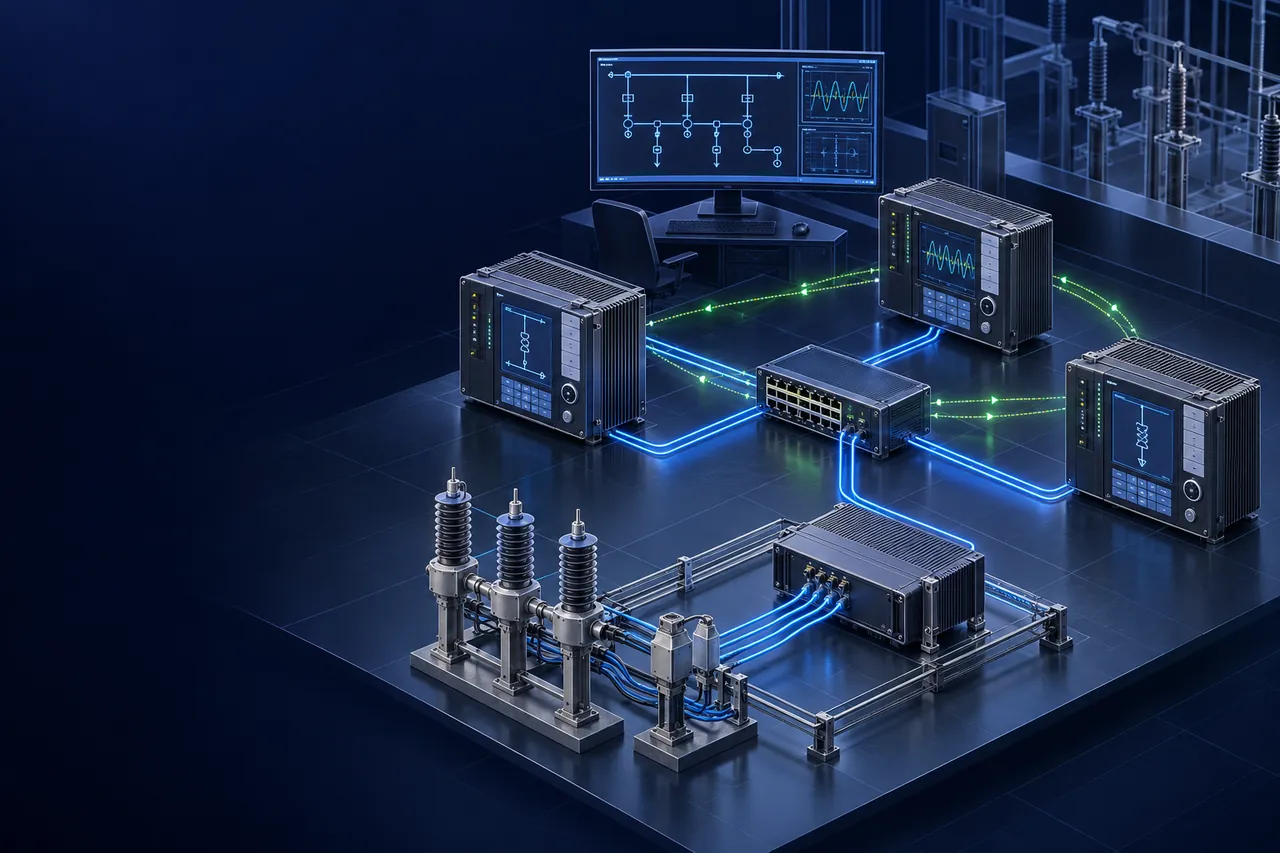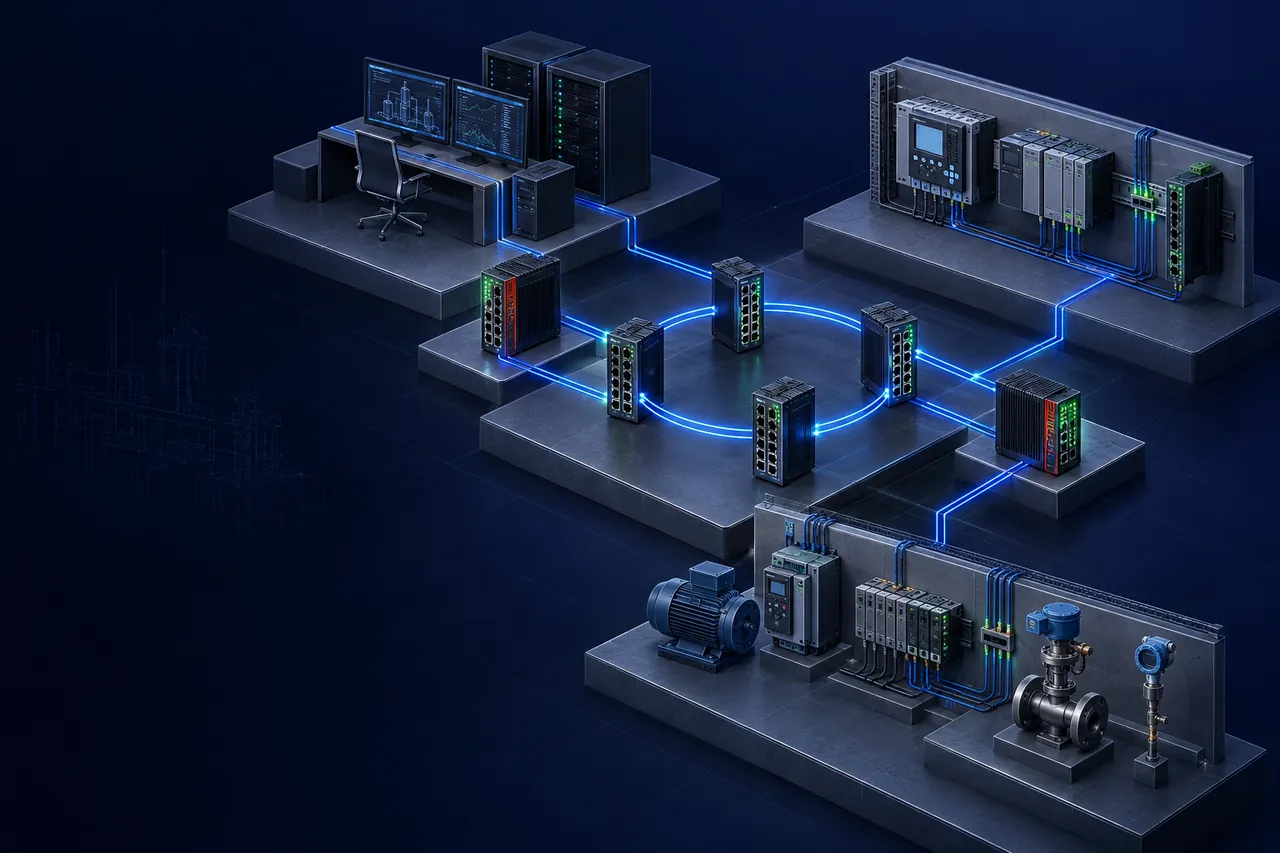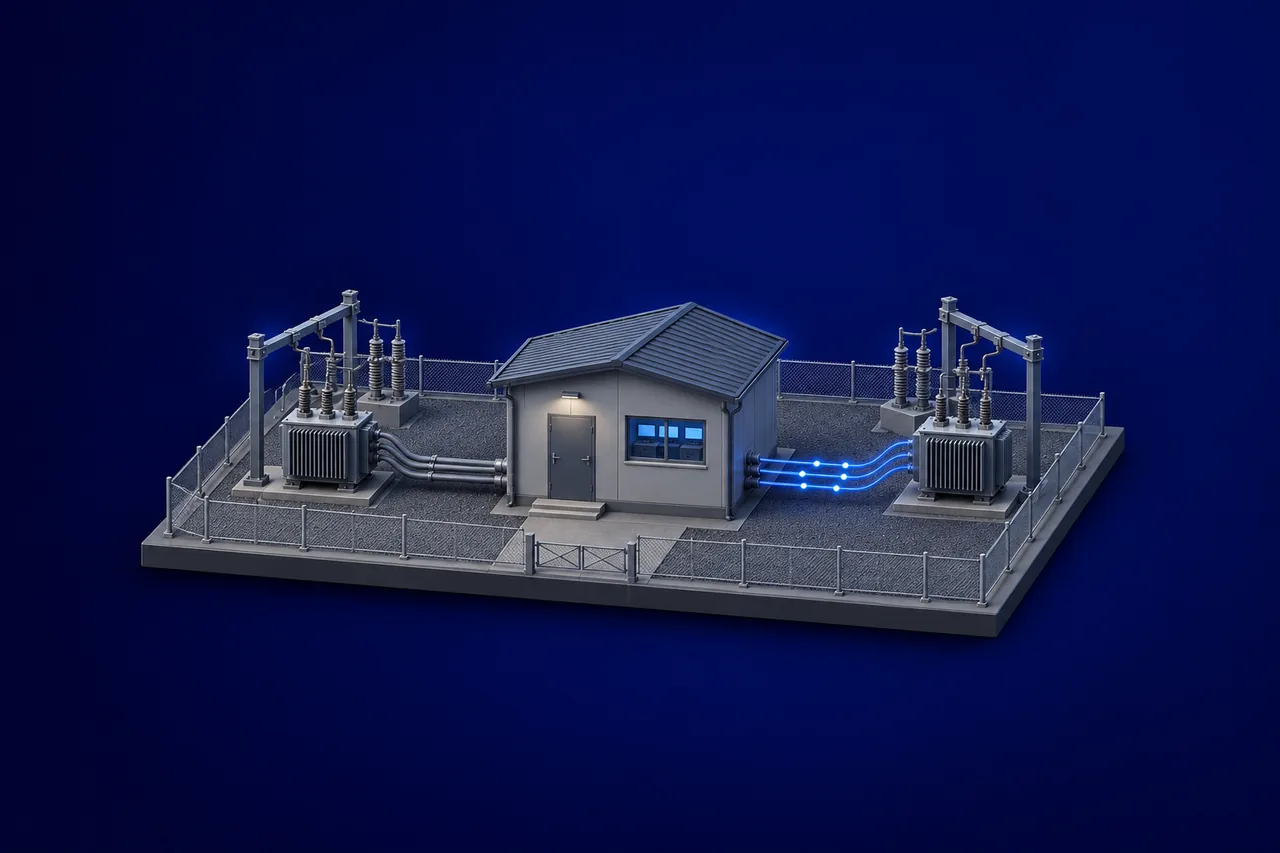
Digital substations are part of the expected evolution of power sector automation. Their most notable feature is replacing copper wiring with optical fiber, with all the benefits that brings.
From copper to optical fiber
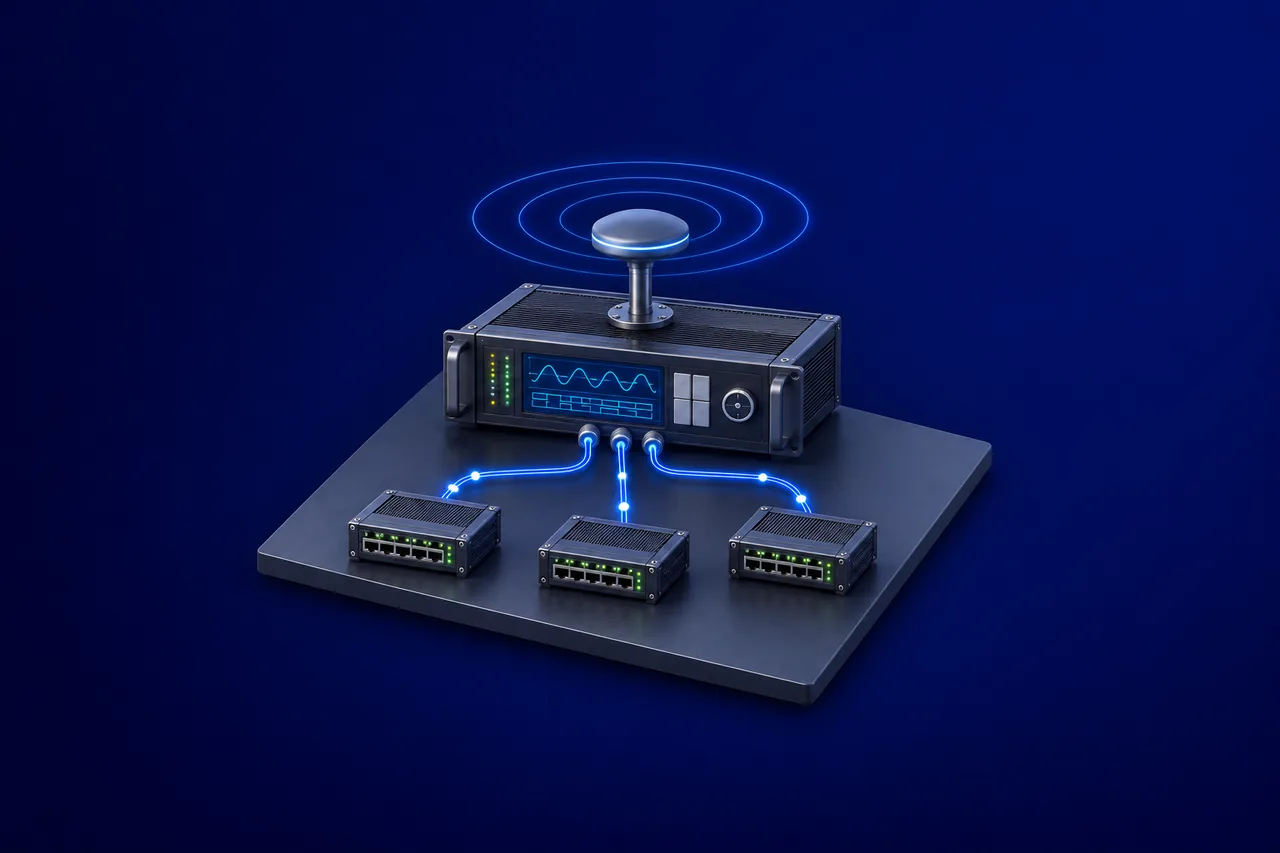
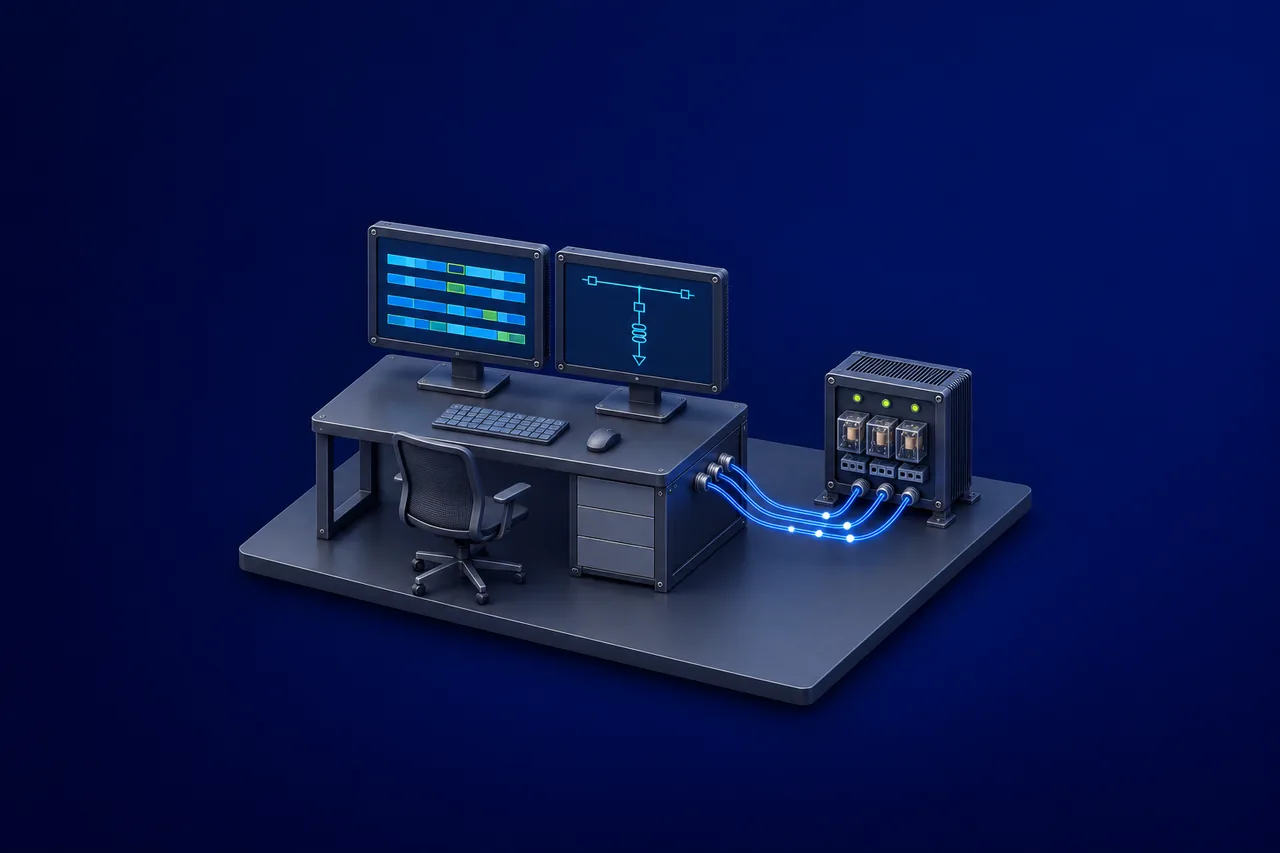
IEC 61850 laid the groundwork in 2001 for transforming power automation. In the traditional substation, information from the primary equipment travels over hundreds of meters of copper; in the digital one, it travels as packets over optical fiber, more securely and reliably.
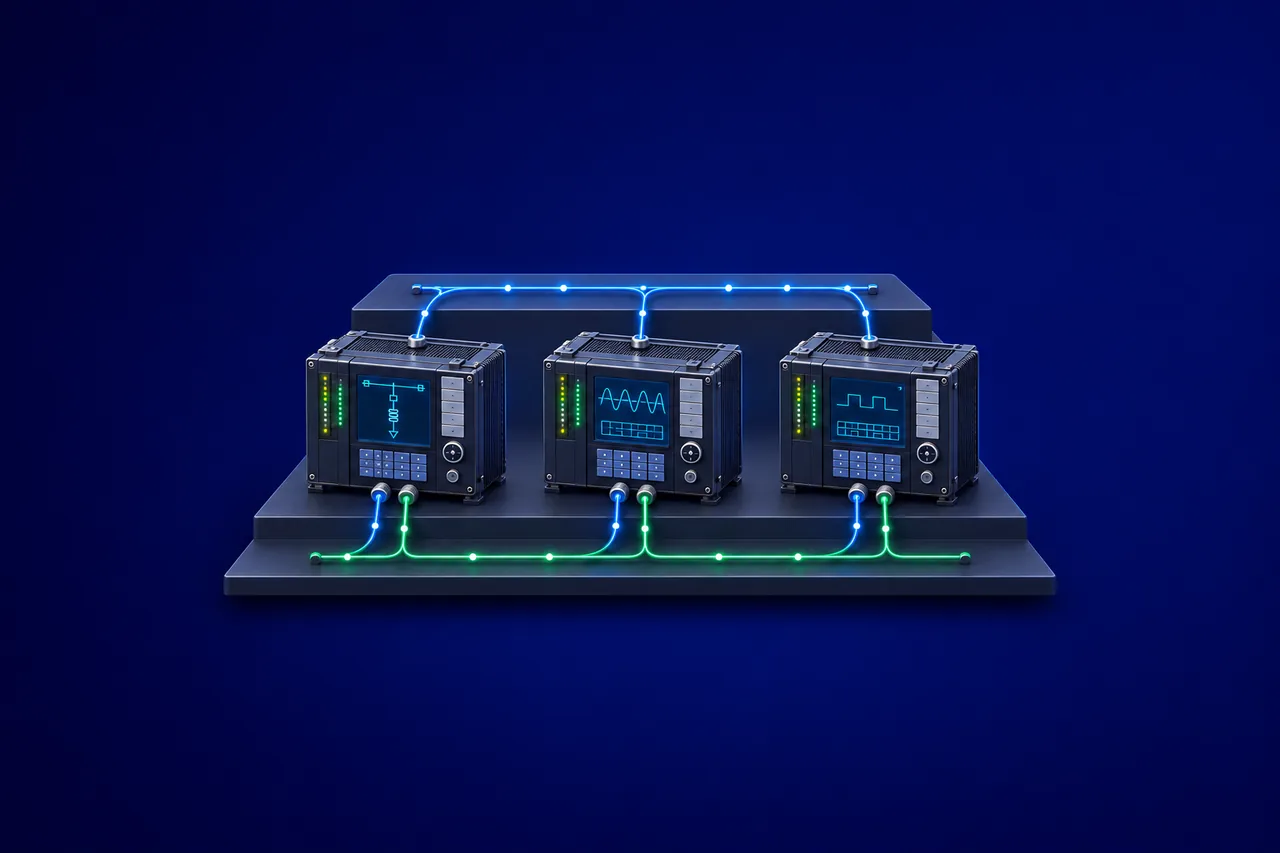
The key players are intelligent devices that communicate using GOOSE, Sampled Values, and MMS. By delegating functions to communications, the configuration can also be verified by comparing the models against the SCL schemas.
Key fact
Optical fiber is estimated to reduce wiring by up to 80%, with lower cost, size, and implementation time.
The main challenges
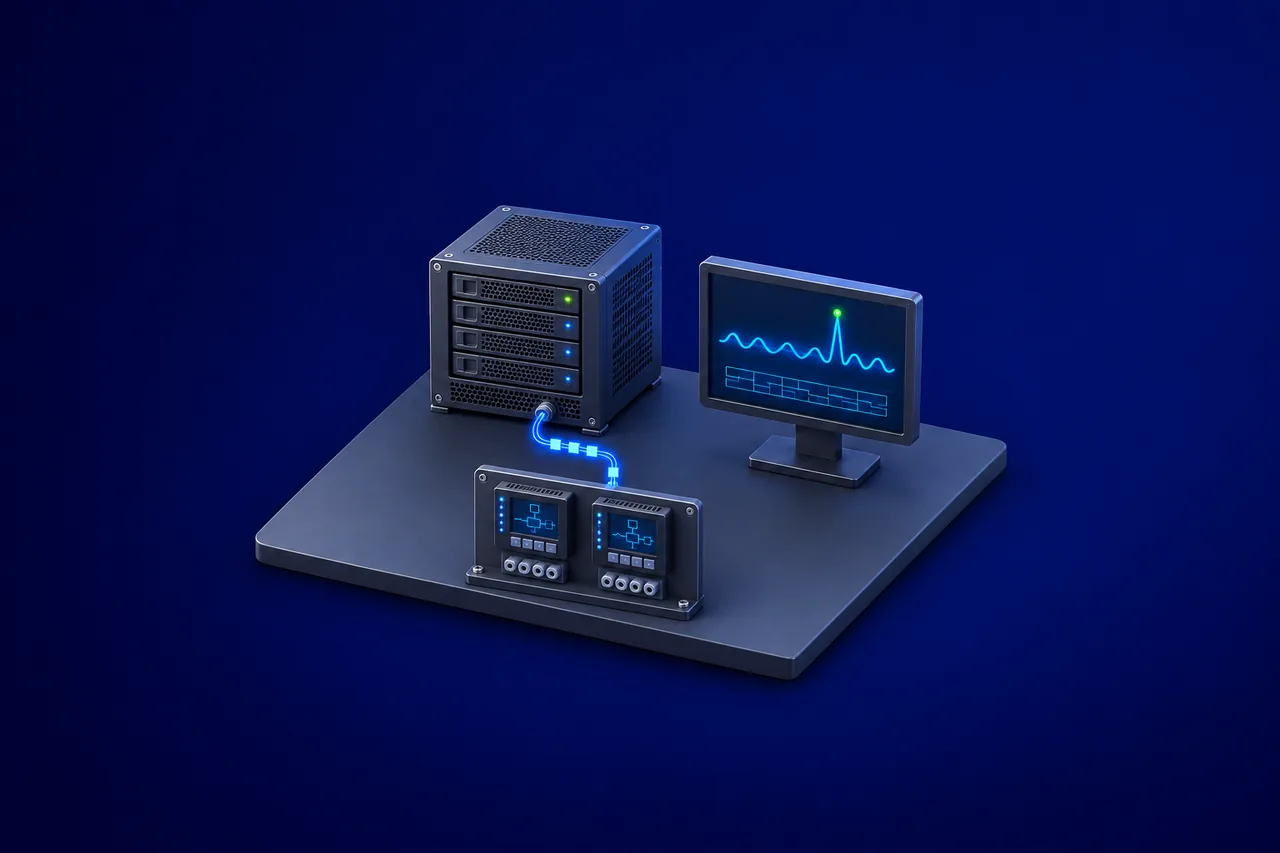
The first is understanding the logical connections of the network: where each device gets its signals from. Edition 2 of IEC 61850 provides useful logical nodes such as LGOS and LSVS, although not all manufacturers use them.
It also demands skills in networking and cybersecurity, and there is no general configurator: each manufacturer has its own system.
- Copper wiring
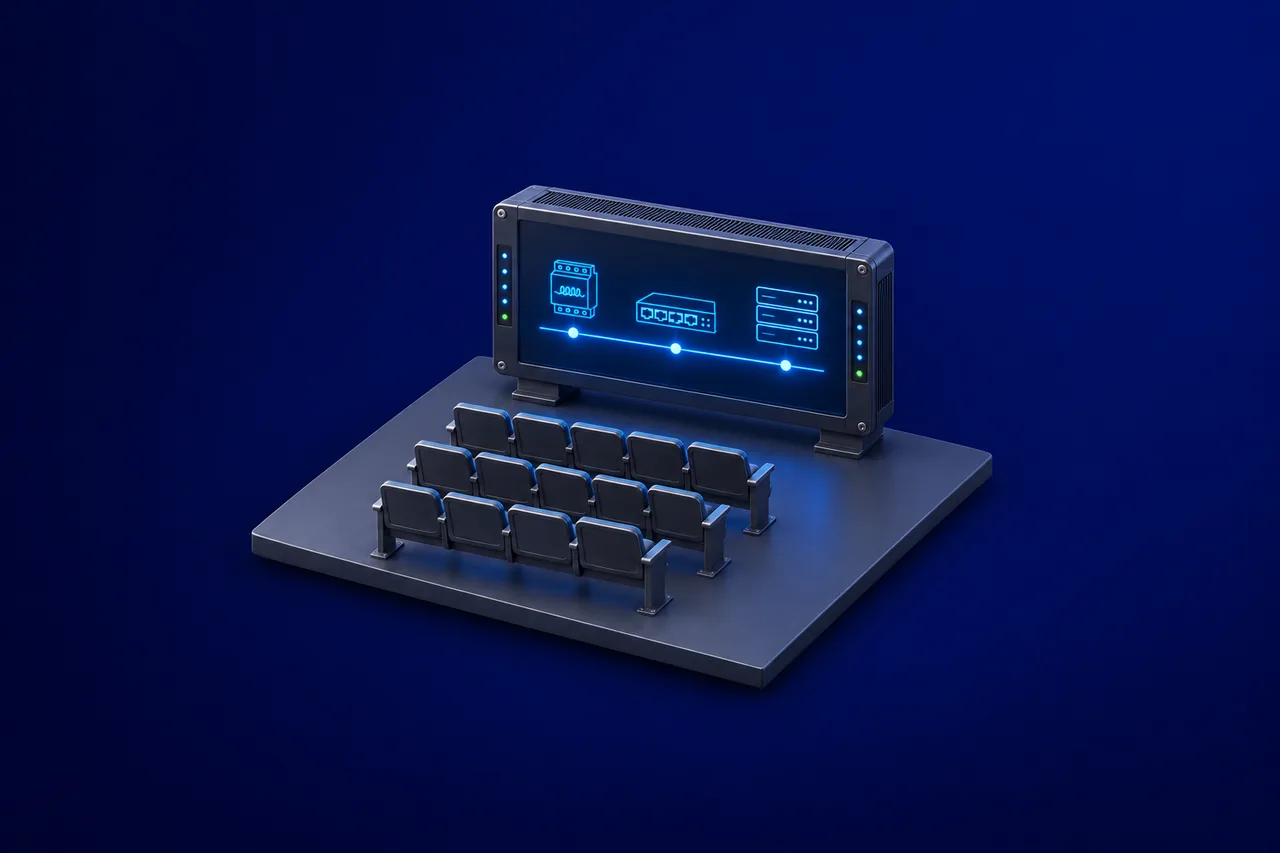
- Optical fiber
Why GOOSE and Sampled Values?
Voltage and current signals and commands are very sensitive: an error or a delay can cause faults with multimillion-dollar losses. That is why IEC 61850 defined GOOSE (part 8-1) for digital statuses and Sampled Values (parts 9-2 and 9-2 LE) for analog signals.
- Only the link and application layers of the OSI model
- Processing time of around 2 ms
- Packet priority with VLAN IEEE 802.1Q
- Redundancy with PRP and HSR: each packet has two paths
Conclusions
Less wiring and implementation time, easier integration of new devices, faster response to faults, more accurate information, and greater safety for personnel. In return, it demands more training in networking and cybersecurity. The transformation is already under way.