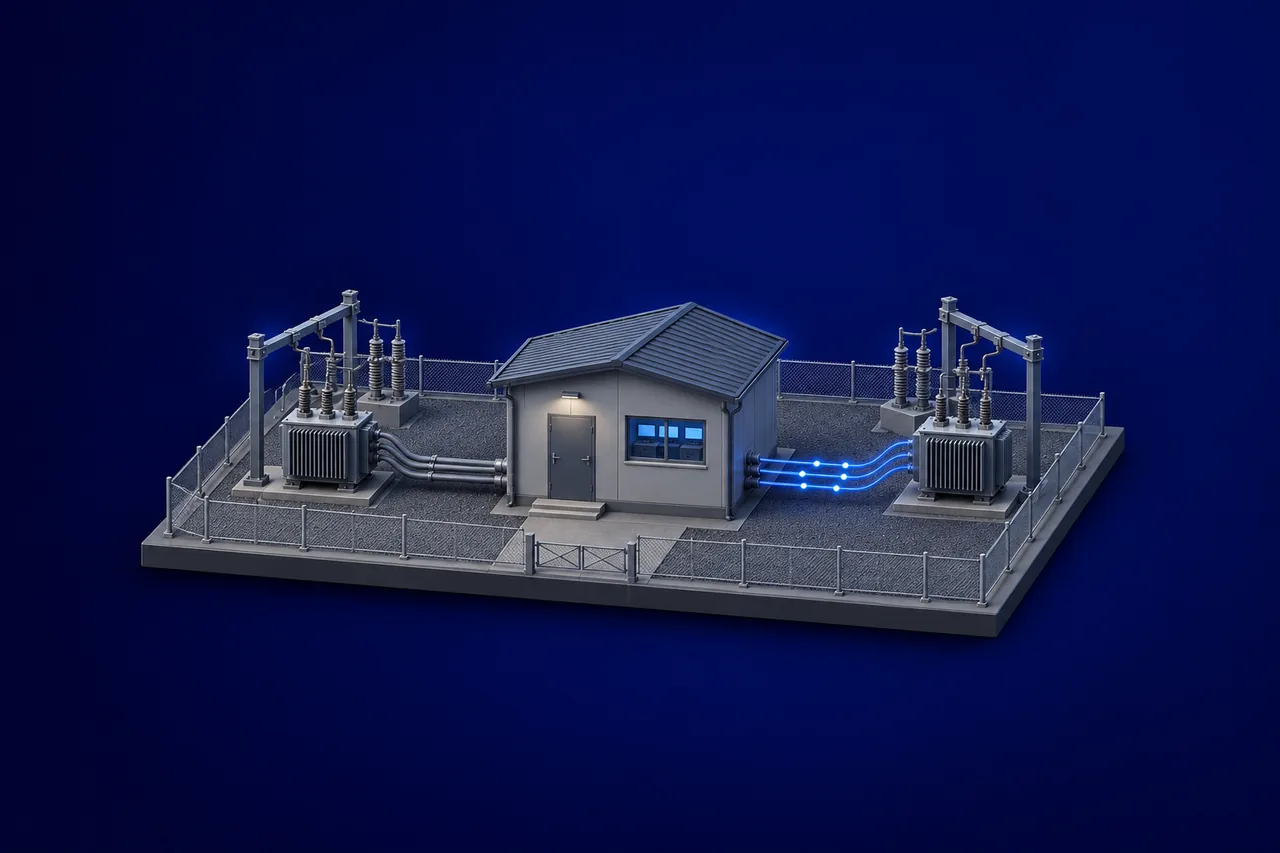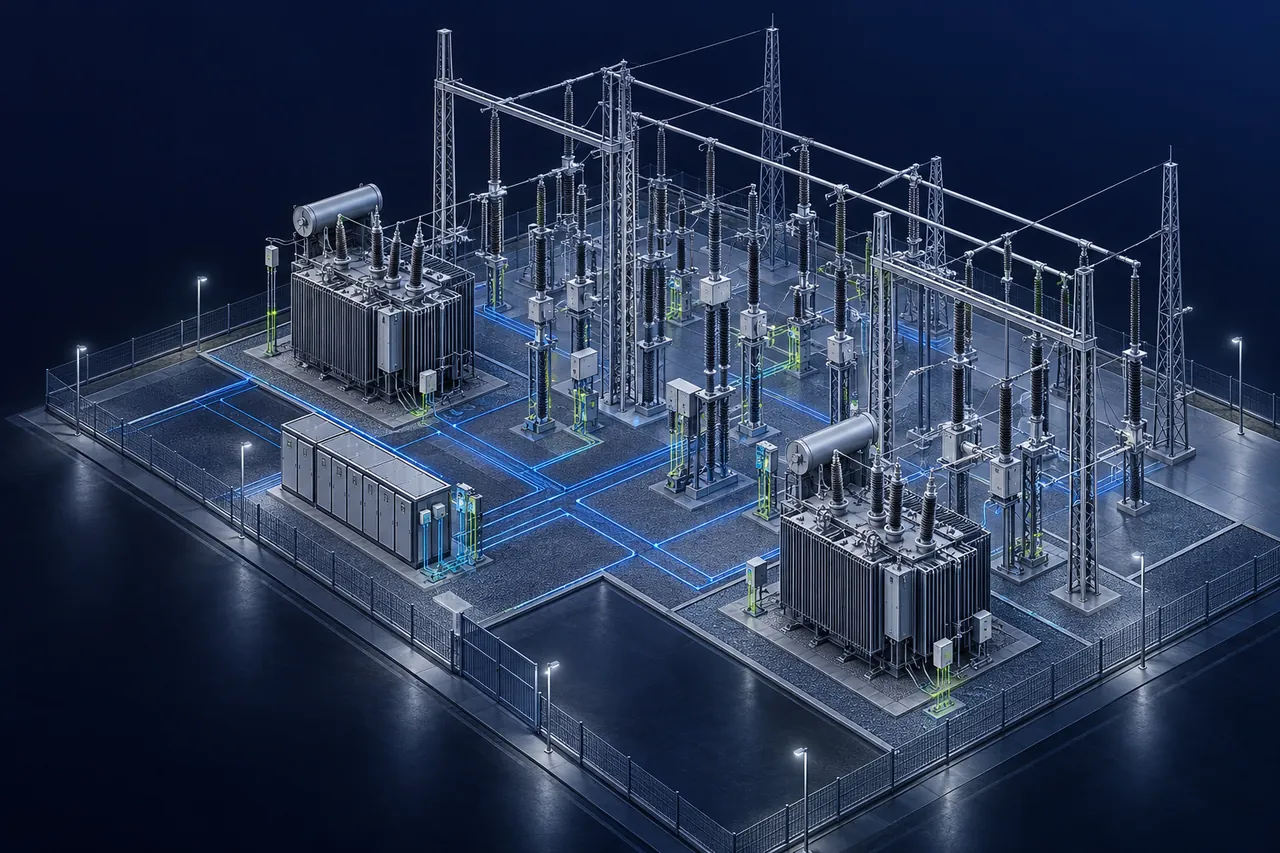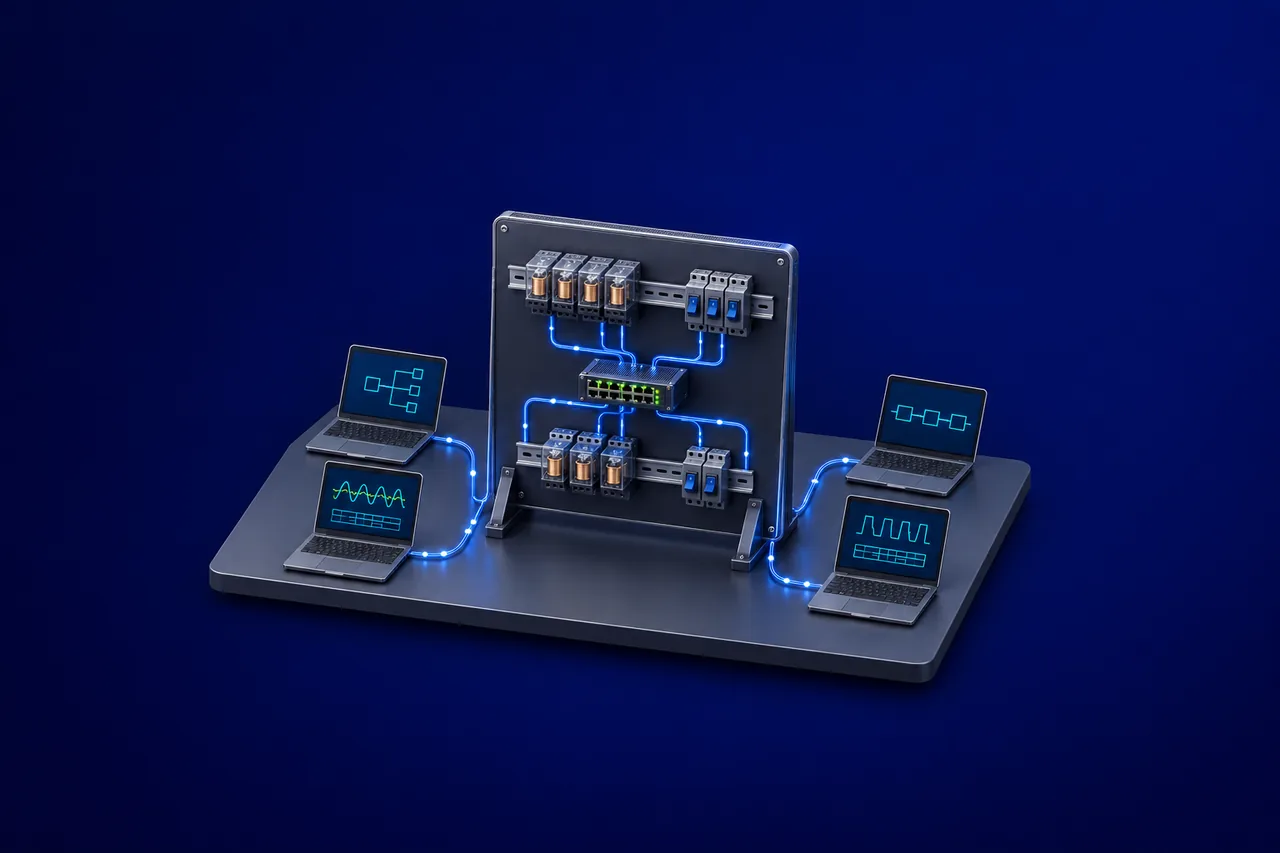
A webinar in four topics: basic concepts, advantages of the digital substation, the protocols it uses, and testing in the substation.
Basic concepts
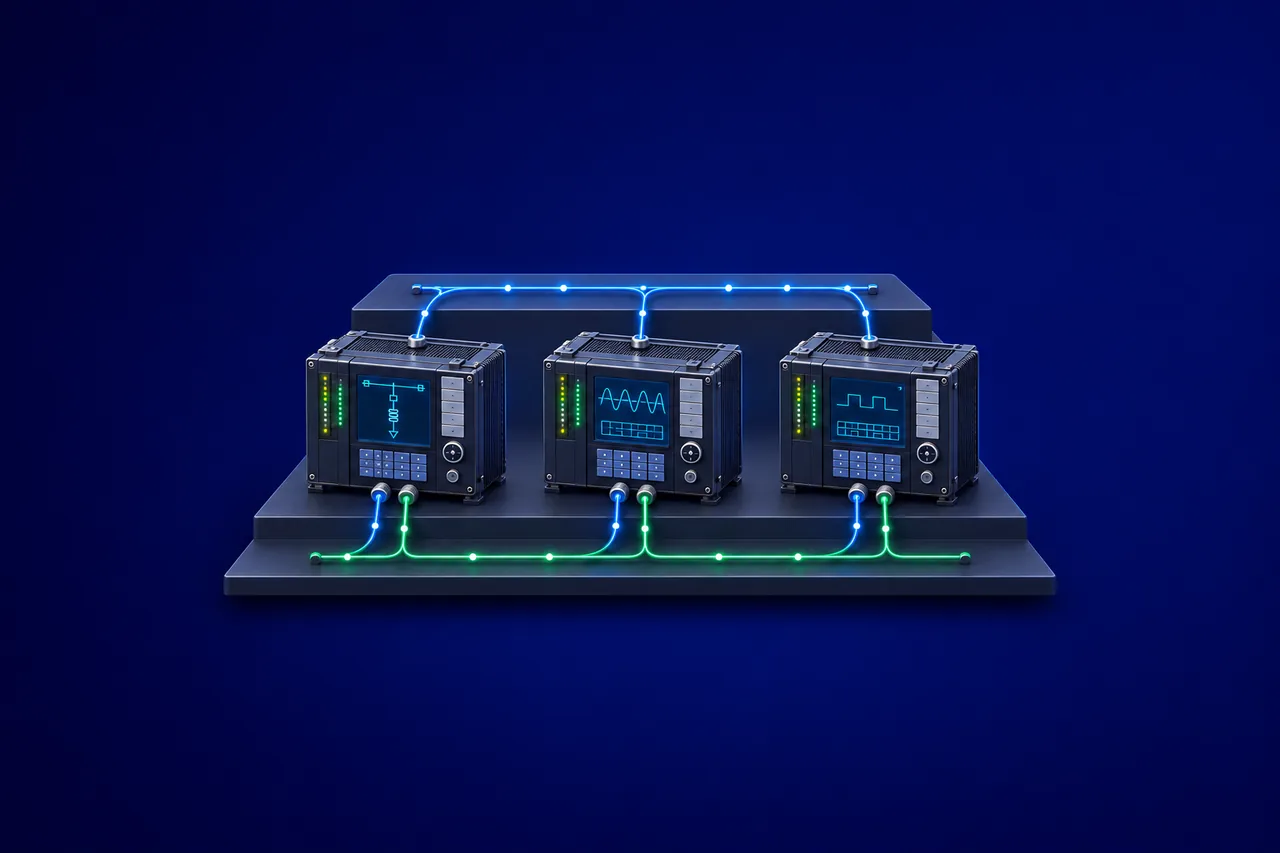
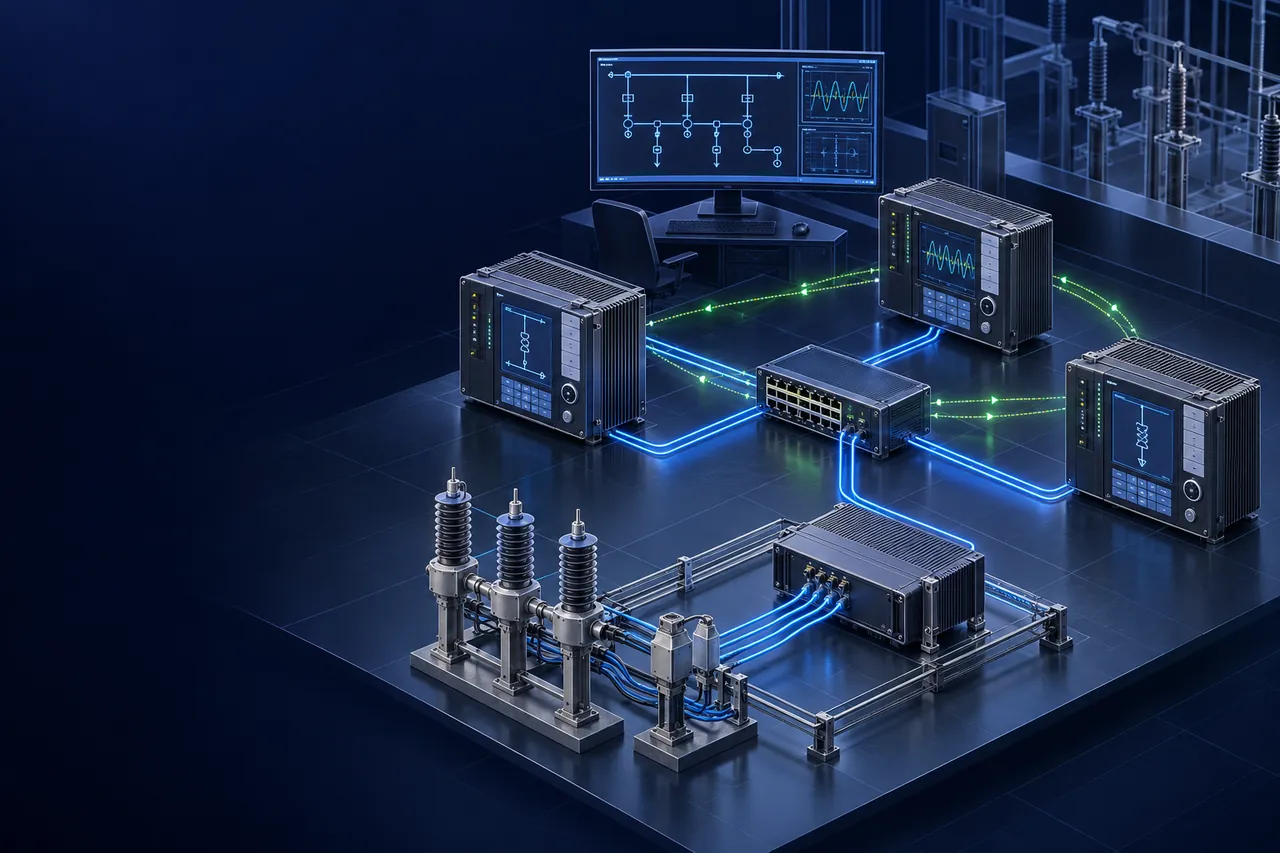
The evolution of digital substations, the merging unit, and the comparison between standard wiring and communications-based functions.
- Evolution of digital substations
- Standard wiring versus communications-based functions
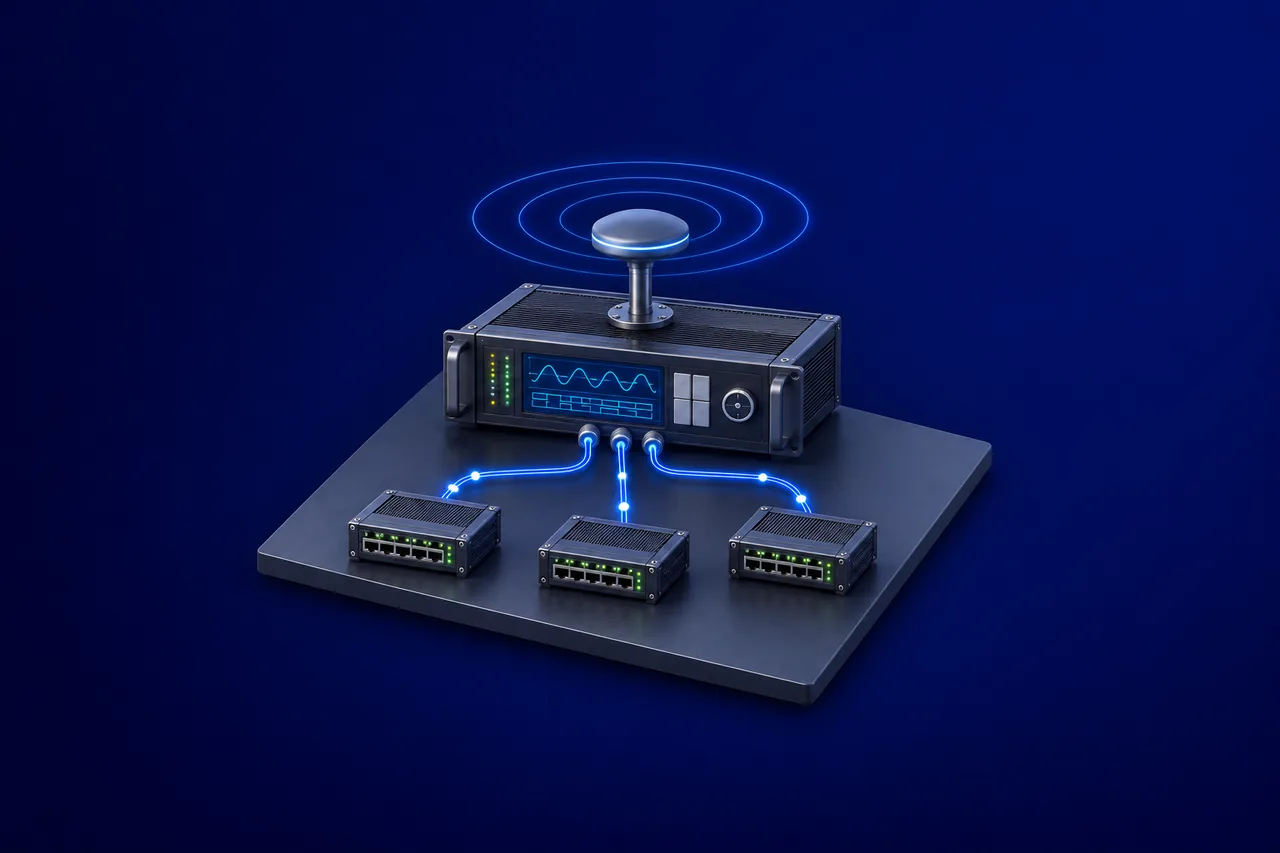
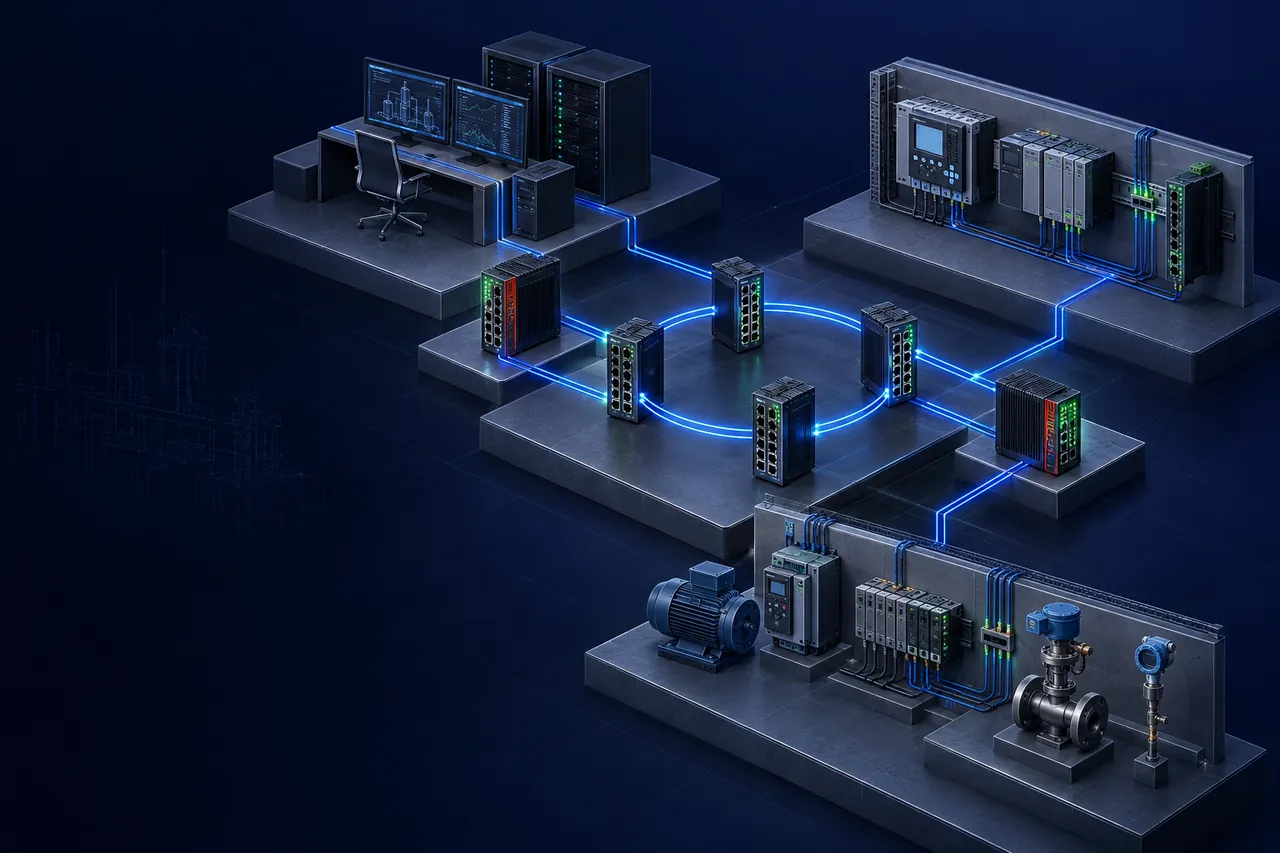
- Station bus and process bus
Key fact
Communication networks replace complicated control wiring, which improves measurement accuracy.
The merging unit
It digitizes measurements and events very close to the power equipment, and uses GOOSE and Sampled Values to carry the information quickly.
Advantages of the digital substation
It improves transmission reliability, several functions share the same information, and adding new functions is easier. Networks replace control wiring and avoid electromagnetic problems.
- Greater reliability in signal transmission
- Less complex wiring
- Greater safety for personnel
- Significant cost reduction
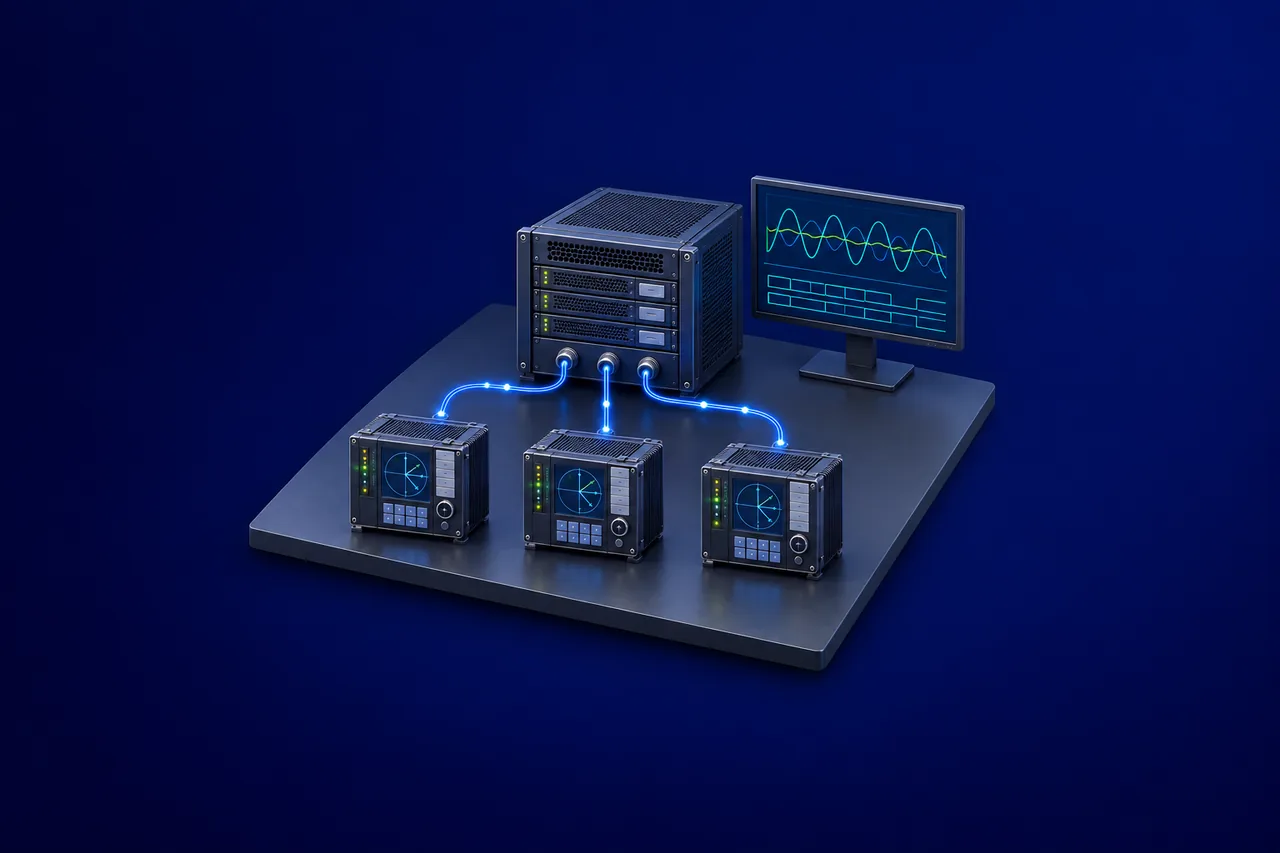
- Sampled Values
- GOOSE
Conclusions
Lower costs, implementation time, and equipment size; faster response to faults, more accurate information, and easier integration of new equipment.